Yep, we may get a tiny thank-you (read: commission) when you buy through
links on Soundfindr — not enough for a yacht, but enough to keep the lights (and
servers) on.
Learn more
70
Highlights
51
Differences
6
Reactions
0
Likes
Apogee Mic Plus
vs
Rode NT-USB+:
70 Highlights & 51 Differences —
So, Which Microphone Actually Works Better
We discuss how the controls affect ease of use and sound monitoring. Perfect for professionals wanting precision.
Which one’s right for your setup — Apogee Mic Plus or Rode NT-USB+? We’ve compared their power source, onboard controls, stand/tripod & warranty, usability, and sound so you can choose the better microphone.
Apogee Mic Plus vs Rode NT-USB+: Which USB Microphone Reigns Supreme?
When searching for a high-quality USB microphone designed for professional use, Apogee Mic Plus and Rode NT-USB+ stand out as two remarkable options. Both microphones utilize a cardioid polar pattern and offer USB connectivity, making them perfect candidates for voice recording and broadcasting. While they share fundamental features like onboard controls, mute functions, and app integration, their design philosophies and technical specifications diverge significantly. The Apogee Mic Plus focuses on delivering pristine audio fidelity with a compact, side-address form factor and a wide gain range, tailored especially for studio voice work and Apple device compatibility. Meanwhile, the Rode NT-USB+ caters more toward podcasters and streamers by offering a larger handheld design with robust onboard controls, professional broadcast certification, and an included carrying case for mobility. Let's dive deeper into what distinguishes these two USB microphones from each other.
Precision and Compactness: The Apogee Mic Plus Advantage
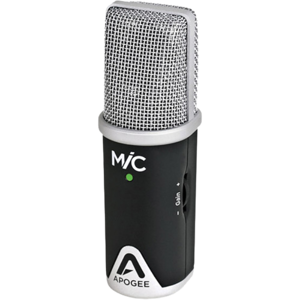
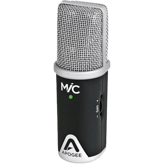
The Apogee Mic Plus is a side-address microphone with a sleek 4.88" height, designed to sit comfortably on desktops without overwhelming your workspace. Its detachable USB cable adds a layer of convenience for setup and storage, setting it apart from many fixed-cable models. It features a remarkable total harmonic distortion (THD) of just 0.01%, which means your recordings maintain crystal-clear clarity with minimal coloration. The microphone also boasts an impressive overload point of 130 dB and a gain range that spans 46 dB, allowing it to capture a wide dynamic range ideal for nuanced professional voice work.
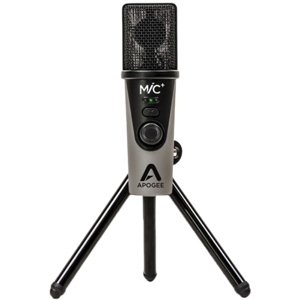
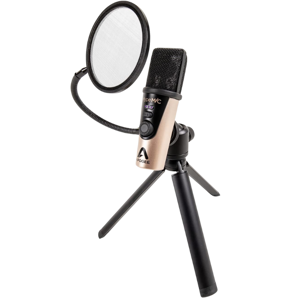
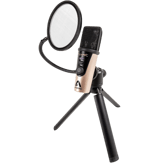
While it lacks a carrying case, the Mic Plus comes with a tripod stand and detachable mounts, giving you durability and flexible positioning options on your desk. Its minimal footprint and premium build make it an ideal tool for dedicated, professional environments.
Streamlined Versatility: What Makes the Rode NT-USB+ Stand Out
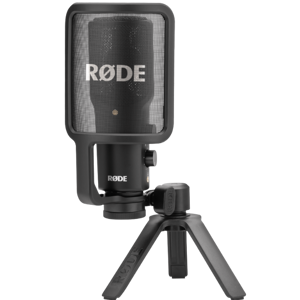
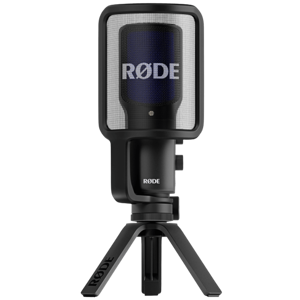
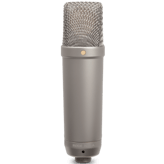
The Rode NT-USB+ opts for a handheld, podcasting-friendly setup with a height of 7.24", offering a stronger grip and dynamic styling suited for live streaming or mobile recording. Unlike the Apogee's detachable cable, the Rode's USB-C connection is fixed, but it compensates with a rich suite of physical controls including buttons, knobs, and switches, allowing users to swiftly tweak volume, mute, and monitoring levels without fumbling through software menus. The mic also features professional broadcast certification, which ensures adherence to strict audio standards relevant to podcasting and streaming.
While it has a comparatively higher THD of 0.1% and a lower overload point of 118 dB, this microphone is designed to handle the typical demands of content creation, with good clarity and controlled gain over a range of 20 dB. It utilizes USB power exclusively, making setup straightforward for users who want a plug-and-play workflow without extra equipment.
The NT-USB+ also shines in build versatility: its detachable mount, swivel capabilities, and included carrying case and mounting clip address the needs of podcasters who stream in different environments. This accessory package adds value for mobile creators.
Notably, the microphone supports custom recording profiles accessible via app integration, enabling tailored sound optimization for various recording contexts; whether streaming, interviews, or voiceover work.
Quick Take
The Apogee Mic Plus is perfect for professionals demanding pristine audio quality, a versatile gain range, and seamless integration with Apple devices. Meanwhile, the Rode NT-USB+ targets podcasters and streamers seeking multiple onboard controls, professional certification, and a sturdy accessory bundle at a friendlier price point.
Bottom Line: Which USB Microphone Should You Get?
For users prioritizing studio-grade recording precision, superior dynamic range, and a streamlined Apple-compatible design, the Apogee Mic Plus stands out as the optimal choice despite its higher price tag. However, if you want a versatile, budget-conscious mic built for podcasting and streaming that comes loaded with physical controls and portability features, the Rode NT-USB+ delivers excellent value and flexibility.
Verdict
Winner: Apogee Mic Plus - Excels in audio fidelity, gain flexibility, and Apple device compatibility, making it ideal for professional voice recording.
Runner-up: Rode NT-USB+ - Provides rich onboard controls, professional broadcast certification, and superior portability accessories, perfectly suited for podcasting and streaming at a more affordable price.
Side by side. The numbers. The features. No drama.
We stacked every sound, control, and tech detail between Apogee Mic Plus and Rode NT-USB+. This side-by-side microphones review highlights what really matters — and what might surprise you.
Apogee Mic Plus targets Voice Recording primarily, whereas Rode NT-USB+ is designed for Podcast and Streaming uses. Therefore, Apogee suits professional voice recording, while Rode emphasizes broader multimedia content creation.
Describes the primary application area.
In the battle of Intended Use,
Apogee Mic Plus ◉ is
worse than
Rode NT-USB+ ◉
, delivering
lower
13 score
measurement.
Don’t keep it to yourself — be the first to react and review the
Intended Use on Apogee Mic Plus ◉
vs Rode NT-USB+ ◉ and help others decide!
Both Apogee Mic Plus and Rode NT-USB+ feature a Cardioid polar pattern type, ideal for focusing on sound sources directly in front of the microphone. This shared characteristic suits users needing directional sound capture for vocals or podcasting.
Identifies the default pickup pattern.
In the battle of Polar Pattern Type,
Apogee Mic Plus ◉ is
same as
Rode NT-USB+ ◉
.
Don’t keep it to yourself — be the first to react and review the
Polar Pattern Type on Apogee Mic Plus ◉
vs Rode NT-USB+ ◉ and help others decide!
The Apogee Mic Plus offers a Side-Address form factor, while the Rode NT-USB+ uses a Handheld design. Side-Address is typically better for stationary use in studios, whereas Handheld suits dynamic environments like live streaming or interviews.
Describes the physical style of the microphone.
In the battle of Form Factor,
Apogee Mic Plus ◉ is
same as
Rode NT-USB+ ◉
.
Don’t keep it to yourself — be the first to react and review the
Form Factor on Apogee Mic Plus ◉
vs Rode NT-USB+ ◉ and help others decide!
Both microphones are designed for Professional users, making them suitable for experts needing reliable sound quality and advanced controls in their audio setups.
Recommended audience expertise level.
In the battle of User Skill Level,
Apogee Mic Plus ◉ is
same as
Rode NT-USB+ ◉
.
Don’t keep it to yourself — be the first to react and review the
User Skill Level on Apogee Mic Plus ◉
vs Rode NT-USB+ ◉ and help others decide!
Product Type
What is the product type?
89
Apogee Mic Plus
0Votes
USB
89
Rode NT-USB+
0Votes
USB
Apogee Mic Plus
This microphone is a USB type, meaning it connects directly to a computer or compatible device via a USB port for audio transmission and power. This simplifies setup by eliminating the need for an external audio interface.
Defines the basic category of the microphone.
In the battle of Product Type,
Apogee Mic Plus ◉ is
same as
Rode NT-USB+ ◉
.
Don’t keep it to yourself — be the first to react and review the
Product Type on Apogee Mic Plus ◉
vs Rode NT-USB+ ◉ and help others decide!
Model Name
What is the model name?
59
Apogee Mic Plus
0Votes
Apogee MiC Plus
73
Rode NT-USB+
0Votes
NT-USB+
Apogee Mic Plus
The model name of this microphone is Apogee MiC Plus, indicating its position within Apogee's line of portable USB microphones. This particular model is an enhanced version of previous "MiC" iterations.
The specific product identifier from the manufacturer.
In the battle of Model Name,
Apogee Mic Plus ◉ is
worse than
Rode NT-USB+ ◉
, delivering
lower
14 score
measurement.
Don’t keep it to yourself — be the first to react and review the
Model Name on Apogee Mic Plus ◉
vs Rode NT-USB+ ◉ and help others decide!
Country of Origin
What is the country of origin?
89
Apogee Mic Plus
0Votes
United States
69
Rode NT-USB+
0Votes
Australia
Apogee Mic Plus
The microphone's country of origin is the United States, indicating where it was manufactured or primarily designed. This information can be relevant for import/export regulations and consumer preferences.
Manufacturing or design origin.
In the battle of Country of Origin,
Apogee Mic Plus ◉ is
better than
Rode NT-USB+ ◉
, delivering
higher
20 score
measurement.
Don’t keep it to yourself — be the first to react and review the
Country of Origin on Apogee Mic Plus ◉
vs Rode NT-USB+ ◉ and help others decide!
Compatibility
Which devices or platforms are compatible?
79
Apogee Mic Plus
0Votes
Windows
84
Rode NT-USB+
0Votes
PC, Mac, iOS, Android
Apogee Mic Plus
This microphone is compatible with Windows operating systems, ensuring seamless plug-and-play functionality with a wide range of PCs. It allows users to record and process audio directly on their Windows devices.
Lists supported platforms and devices.
In the battle of Compatibility,
Apogee Mic Plus ◉ is
worse than
Rode NT-USB+ ◉
, delivering
lower
5 score
measurement.
Don’t keep it to yourself — be the first to react and review the
Compatibility on Apogee Mic Plus ◉
vs Rode NT-USB+ ◉ and help others decide!
Gender Target
What is the gender target?
99
Apogee Mic Plus
0Votes
Unisex
99
Rode NT-USB+
0Votes
Unisex
Apogee Mic Plus
The product is designed for a Unisex target audience, meaning its features and design are suitable and appealing to all genders. It does not carry specific gender-oriented branding or functionality.
The marketing target by gender (if specified).
In the battle of Gender Target,
Apogee Mic Plus ◉ is
same as
Rode NT-USB+ ◉
.
Don’t keep it to yourself — be the first to react and review the
Gender Target on Apogee Mic Plus ◉
vs Rode NT-USB+ ◉ and help others decide!
Launch Region
Where is it available?
74
Apogee Mic Plus
0Votes
North America
99
Rode NT-USB+
0Votes
Global
Apogee Mic Plus
The product was initially launched in North America, indicating its primary market introduction. This can influence initial availability, pricing strategies, and regional marketing efforts.
Where the product is primarily available.
In the battle of Launch Region,
Apogee Mic Plus ◉ is
worse than
Rode NT-USB+ ◉
, delivering
lower
25 score
measurement.
Don’t keep it to yourself — be the first to react and review the
Launch Region on Apogee Mic Plus ◉
vs Rode NT-USB+ ◉ and help others decide!
Series/Line
What series/line does it belong to?
Who knows?
0Votes
Apogee Mic Plus
(Help us out by suggesting one!)
Who knows?
0Votes
Rode NT-USB+
(Help us out by suggesting one!)
Identifies the product line or collection the microphone belongs to.
Don’t keep it to yourself — be the first to react and review the
Series/Line on Apogee Mic Plus ◉
vs Rode NT-USB+ ◉ and help others decide!
Year of Release
What year was it released?
79
Apogee Mic Plus
0Votes
2018
93
Rode NT-USB+
0Votes
2022
Indicates when the microphone was launched.
In the battle of Year of Release,
Apogee Mic Plus ◉ is
worse than
Rode NT-USB+ ◉
, delivering
lower
14 score
measurement.
Don’t keep it to yourself — be the first to react and review the
Year of Release on Apogee Mic Plus ◉
vs Rode NT-USB+ ◉ and help others decide!
Connectivity Type
What is the connectivity type?
64
Apogee Mic Plus
0Votes
Lightning
79
Rode NT-USB+
0Votes
USB-C
Defines how the microphone connects to devices.
In the battle of Connectivity Type,
Apogee Mic Plus ◉ is
worse than
Rode NT-USB+ ◉
, delivering
lower
15 score
measurement.
Don’t keep it to yourself — be the first to react and review the
Connectivity Type on Apogee Mic Plus ◉
vs Rode NT-USB+ ◉ and help others decide!
Color Options
What are the color options?
79
Apogee Mic Plus
0Votes
Black
79
Rode NT-USB+
0Votes
Black
Available product colors.
In the battle of Color Options,
Apogee Mic Plus ◉ is
same as
Rode NT-USB+ ◉
.
Don’t keep it to yourself — be the first to react and review the
Color Options on Apogee Mic Plus ◉
vs Rode NT-USB+ ◉ and help others decide!
Age Group
What is the age group?
79
Apogee Mic Plus
0Votes
Professional
79
Rode NT-USB+
0Votes
Professional
The intended user age bracket.
In the battle of Age Group,
Apogee Mic Plus ◉ is
same as
Rode NT-USB+ ◉
.
Don’t keep it to yourself — be the first to react and review the
Age Group on Apogee Mic Plus ◉
vs Rode NT-USB+ ◉ and help others decide!
Recording Application Category
What recording applications is it best for?
69
Apogee Mic Plus
0Votes
Studio
76
Rode NT-USB+
0Votes
Live, Podcast, Streaming
Specific contexts where the mic is best suited.
In the battle of Recording Application Category,
Apogee Mic Plus ◉ is
worse than
Rode NT-USB+ ◉
, delivering
lower
7 score
measurement.
Don’t keep it to yourself — be the first to react and review the
Recording Application Category on Apogee Mic Plus ◉
vs Rode NT-USB+ ◉ and help others decide!
Limited Edition
Is it a limited/special edition?
No
0Votes
Apogee Mic Plus
No
0Votes
Rode NT-USB+
vs
Limited Edition
The limited edition status is unavailable for Apogee Mic Plus, whereas Rode NT-USB+ is explicitly not a limited edition. For collectors or exclusive product seekers, Rode NT-USB+ is standard issue, with no special limited variant.
Whether the model is a limited or special release.
In the battle of Limited Edition,
Apogee Mic Plus ◉ is
same as
Rode NT-USB+ ◉
.
Don’t keep it to yourself — be the first to react and review the
Limited Edition on Apogee Mic Plus ◉
vs Rode NT-USB+ ◉ and help others decide!
Apogee Mic Plus height is 4.88 inches compared to Rode NT-USB+ at 7.24 inches. Rode’s taller design might offer enhanced ergonomic handling for handheld use, while Apogee’s shorter size fits better on desks.
The microphone’s overall height.
In the battle of Height,
Apogee Mic Plus ◉ is
better than
Rode NT-USB+ ◉
, delivering
lower
2.4 inch
measurement.
Don’t keep it to yourself — be the first to react and review the
Height on Apogee Mic Plus ◉
vs Rode NT-USB+ ◉ and help others decide!
Who knows?
0Votes
Rode NT-USB+
(Help us out by suggesting one!)
vs
Capsule Diameter
Apogee Mic Plus has a capsule diameter of 0.55 inches, but Rode NT-USB+ capsule diameter is unavailable. This single data point suggests Apogee's capsule size impacts its sound capture characteristics specifically.
The diameter of the microphone capsule.
Don’t keep it to yourself — be the first to react and review the
Capsule Diameter on Apogee Mic Plus ◉
vs Rode NT-USB+ ◉ and help others decide!
Depth
What is the depth?
1.5
inch
0Votes
2
inch
0Votes
Apogee Mic Plus
The depth of the microphone is 1.5 inches (38 mm), contributing to its overall compact form factor. This measurement is important for understanding its physical presence on a desk or stand.
Rode NT-USB+
About 5.08 cm deep — slim profile that keeps the mic close to a monitor without taking much desk space.
The microphone’s overall depth.
In the battle of Depth,
Apogee Mic Plus ◉ is
better than
Rode NT-USB+ ◉
, delivering
lower
0.5 inch
measurement.
Don’t keep it to yourself — be the first to react and review the
Depth on Apogee Mic Plus ◉
vs Rode NT-USB+ ◉ and help others decide!
Weight
What is the weight?
1
lbs
0Votes
1.19
lbs
0Votes
Apogee Mic Plus
The weight of the microphone is approximately 1 lbs (0.45 kg), making it relatively portable and easy to handle. This lightweight design is convenient for on-the-go recording or studio use.
Rode NT-USB+
About 0.54 kg — light enough for most desktop arms and stands; less risk of sagging compared with heavier studio mics.
The microphone’s physical weight.
In the battle of Weight,
Apogee Mic Plus ◉ is
better than
Rode NT-USB+ ◉
, delivering
lower
0.2 lbs
measurement.
Don’t keep it to yourself — be the first to react and review the
Weight on Apogee Mic Plus ◉
vs Rode NT-USB+ ◉ and help others decide!
Cable Length
What is the cable length?
6.56
ft
0Votes
9.8
ft
0Votes
Apogee Mic Plus
The included cable has a length of 6.56 feet (2.00 meters), offering sufficient reach for typical recording setups. This allows for flexible placement of the microphone relative to the recording device.
Rode NT-USB+
About 3.0 m — generous length for desktop setups and flexible routing to a PC or laptop.
Length of the included or integrated cable.
In the battle of Cable Length,
Apogee Mic Plus ◉ is
worse than
Rode NT-USB+ ◉
, delivering
lower
3.2 ft
measurement.
Don’t keep it to yourself — be the first to react and review the
Cable Length on Apogee Mic Plus ◉
vs Rode NT-USB+ ◉ and help others decide!
Grill Diameter
What is the grill diameter?
1.81
inch
0Votes
1.18
inch
0Votes
Apogee Mic Plus
The grill diameter of the microphone is 1.81 inches (4.60 cm), which contributes to its physical footprint and how sound waves interact with the capsule. A larger grill can sometimes imply a larger diaphragm behind it.
Rode NT-USB+
About 3.0 cm — indicates a fairly compact grille around the capsule; still a large-diaphragm condenser design internally.
The diameter of the protective microphone grill.
In the battle of Grill Diameter,
Apogee Mic Plus ◉ is
better than
Rode NT-USB+ ◉
, delivering
higher
0.6 inch
measurement.
Don’t keep it to yourself — be the first to react and review the
Grill Diameter on Apogee Mic Plus ◉
vs Rode NT-USB+ ◉ and help others decide!
Width
What is the width?
1.5
inch
0Votes
2.44
inch
0Votes
Rode NT-USB+
About 6.2 cm wide — roughly the width of a small smartphone, so it’s compact and easy to fit on a desk-mounted boom or small desktop stand.
The microphone’s overall width.
In the battle of Width,
Apogee Mic Plus ◉ is
better than
Rode NT-USB+ ◉
, delivering
lower
0.9 inch
measurement.
Don’t keep it to yourself — be the first to react and review the
Width on Apogee Mic Plus ◉
vs Rode NT-USB+ ◉ and help others decide!
Package Depth
What is the package depth?
5.5
inch
0Votes
Who knows?
0Votes
Rode NT-USB+
(Help us out by suggesting one!)
vs
Package Depth
Package depth for Apogee Mic Plus is 5.5 inches, whereas Rode NT-USB+ package depth data is unavailable. Thus, Apogee's compact packaging might be easier for storage or transport in tight spaces.
The shipping package’s depth.
Don’t keep it to yourself — be the first to react and review the
Package Depth on Apogee Mic Plus ◉
vs Rode NT-USB+ ◉ and help others decide!
Package Height
What is the package height?
9.5
inch
0Votes
Who knows?
0Votes
Rode NT-USB+
(Help us out by suggesting one!)
Apogee Mic Plus
The height of the product's package is 9.5 inches (24.13 cm), providing an idea of its overall retail box size. This dimension is useful for shipping and storage considerations.
The shipping package’s height.
Don’t keep it to yourself — be the first to react and review the
Package Height on Apogee Mic Plus ◉
vs Rode NT-USB+ ◉ and help others decide!
Mounting Thread Size
What is the mounting thread size?
79
Apogee Mic Plus
0Votes
5/8"
79
Rode NT-USB+
0Votes
5/8"
Rode NT-USB+
5/8" ≈ 15.9 mm — standard microphone thread; fits common mic stands and clips (adapters available for 3/8" if needed).
The thread size for mounting compatibility.
In the battle of Mounting Thread Size,
Apogee Mic Plus ◉ is
same as
Rode NT-USB+ ◉
.
Don’t keep it to yourself — be the first to react and review the
Mounting Thread Size on Apogee Mic Plus ◉
vs Rode NT-USB+ ◉ and help others decide!
Package Width
What is the package width?
5.5
inch
0Votes
Who knows?
0Votes
Rode NT-USB+
(Help us out by suggesting one!)
vs
Package Width
Apogee Mic Plus has a package width of 5.5 inches, but Rode NT-USB+ does not have this specification available. For packaging size considerations, only Apogee's size can be referenced.
The shipping package’s width.
Don’t keep it to yourself — be the first to react and review the
Package Width on Apogee Mic Plus ◉
vs Rode NT-USB+ ◉ and help others decide!
Stand/Arm Length
What is the stand/arm length?
4.7
inch
0Votes
Who knows?
0Votes
Rode NT-USB+
(Help us out by suggesting one!)
Maximum length of included stand or boom arm.
Don’t keep it to yourself — be the first to react and review the
Stand/Arm Length on Apogee Mic Plus ◉
vs Rode NT-USB+ ◉ and help others decide!
Capsule Length
What is the capsule length?
0.79
inch
0Votes
Who knows?
0Votes
Rode NT-USB+
(Help us out by suggesting one!)
vs
Capsule Length
Capsule Length for Apogee Mic Plus measures 0.79 inches, but this dimension isn't provided for Rode NT-USB+. Detailed capsule size is only verifiable for Apogee, which may impact sensitivity and directivity.
The length of the microphone capsule.
Don’t keep it to yourself — be the first to react and review the
Capsule Length on Apogee Mic Plus ◉
vs Rode NT-USB+ ◉ and help others decide!
Base Footprint Diameter
What is the base/stand footprint diameter?
2.95
inch
0Votes
Who knows?
0Votes
Rode NT-USB+
(Help us out by suggesting one!)
Diameter of the microphone base or stand footprint.
Don’t keep it to yourself — be the first to react and review the
Base Footprint Diameter on Apogee Mic Plus ◉
vs Rode NT-USB+ ◉ and help others decide!
Apogee Mic Plus features lower Total Harmonic Distortion at 0.01% compared to Rode NT-USB+ at 0.1%. This tenfold lower THD in Apogee indicates cleaner, higher-fidelity audio suitable for professional use demanding clarity.
Distortion added at high volumes.
In the battle of THD,
Apogee Mic Plus ◉ is
better than
Rode NT-USB+ ◉
, delivering
lower
0.1 %
measurement.
Based on community votes for THD,
Apogee Mic Plus ◉ earned
1 votes,
more than
Rode NT-USB+ ◉,
which got 0 votes.
The gain range on Apogee Mic Plus is 46 dB, considerably wider than Rode NT-USB+ at 20 dB. Apogee provides more versatile gain control, allowing finer adjustments for varied recording conditions.
The adjustable gain span.
In the battle of Gain Range,
Apogee Mic Plus ◉ is
better than
Rode NT-USB+ ◉
, delivering
higher
26.0 dB
measurement.
Based on community votes for Gain Range,
Apogee Mic Plus ◉ earned
1 votes,
more than
Rode NT-USB+ ◉,
which got 0 votes.
Apogee Mic Plus offers an overload point of 130 dB, significantly higher than Rode NT-USB+ at 118 dB. This difference shows Apogee handles louder sounds without distortion better, making it optimal for dynamic recording environments.
The SPL level where overload occurs.
In the battle of Overload Point,
Apogee Mic Plus ◉ is
better than
Rode NT-USB+ ◉
, delivering
higher
12.0 dB
measurement.
Based on community votes for Overload Point,
Apogee Mic Plus ◉ earned
1 votes,
more than
Rode NT-USB+ ◉,
which got 0 votes.
I lean towards Apogee here since its overload point is higher and can handle louder sounds without clipping.
See more
Capsule Type
What is the capsule type?
63
Apogee Mic Plus
0Votes
Large Diaphragm
64
Rode NT-USB+
0Votes
Large Diaphragm
Apogee Mic Plus
This microphone features a Large Diaphragm capsule, which is generally favored for its ability to capture a rich, full sound with excellent low-frequency response. This type of capsule is often preferred for vocals and acoustic instruments.
Rode NT-USB+
Large-diaphragm condensers generally give a fuller, warmer vocal tone compared with small-diaphragm mics — useful for broadcast-style vocals.
Specifies the capsule style that influences sound capture.
In the battle of Capsule Type,
Apogee Mic Plus ◉ is
worse than
Rode NT-USB+ ◉
, delivering
lower
1 score
measurement.
Don’t keep it to yourself — be the first to react and review the
Capsule Type on Apogee Mic Plus ◉
vs Rode NT-USB+ ◉ and help others decide!
Directionality
What is the directionality?
69
Apogee Mic Plus
0Votes
Cardioid
59
Rode NT-USB+
0Votes
Unidirectional
Apogee Mic Plus
This microphone features a Cardioid directionality, meaning it is most sensitive to sound coming from the front and rejects sound from the sides and rear. This pattern is ideal for isolating a specific sound source and minimizing room noise.
Rode NT-USB+
Cardioid-style pickup helps reject sounds from behind the mic (room noise, keyboard) — good for single-talker podcast/stream setups.
General pickup orientation.
In the battle of Directionality,
Apogee Mic Plus ◉ is
better than
Rode NT-USB+ ◉
, delivering
higher
10 score
measurement.
Don’t keep it to yourself — be the first to react and review the
Directionality on Apogee Mic Plus ◉
vs Rode NT-USB+ ◉ and help others decide!
Microphone Type
What is the microphone type?
44
Apogee Mic Plus
0Votes
USB
79
Rode NT-USB+
0Votes
Condenser
Rode NT-USB+
Condenser microphones capture more detail than typical dynamics — great for voice clarity in podcasting and streaming but prefer a controlled room or close miking.
Defines the operating principle of the microphone.
In the battle of Microphone Type,
Apogee Mic Plus ◉ is
worse than
Rode NT-USB+ ◉
, delivering
lower
35 score
measurement.
Don’t keep it to yourself — be the first to react and review the
Microphone Type on Apogee Mic Plus ◉
vs Rode NT-USB+ ◉ and help others decide!
Frequency Response (Min)
What is the minimum frequency response?
20
Hz
0Votes
20
Hz
0Votes
Rode NT-USB+
20 Hz indicates very low-end capability (below voice fundamental range); not that speech uses this, but it shows the mic won’t truncate low-frequency content from instruments or very close-miked sources.
The lowest frequency the mic can capture.
In the battle of Frequency Response (Min),
Apogee Mic Plus ◉ is
same as
Rode NT-USB+ ◉
, delivering
equal
20.00 Hz
measurement.
Don’t keep it to yourself — be the first to react and review the
Frequency Response (Min) on Apogee Mic Plus ◉
vs Rode NT-USB+ ◉ and help others decide!
Frequency Response (Max)
What is the maximum frequency response?
20,000
Hz
0Votes
20,000
Hz
0Votes
Rode NT-USB+
20 kHz — standard full-audio bandwidth up to human hearing; preserves high-frequency detail and breath/air in vocals.
The highest frequency the mic can capture.
In the battle of Frequency Response (Max),
Apogee Mic Plus ◉ is
same as
Rode NT-USB+ ◉
, delivering
equal
20,000.00 Hz
measurement.
Don’t keep it to yourself — be the first to react and review the
Frequency Response (Max) on Apogee Mic Plus ◉
vs Rode NT-USB+ ◉ and help others decide!
Sensitivity
What is the sensitivity?
-36
dBV/Pa
0Votes
-38
dBV/Pa
0Votes
Rode NT-USB+
-38 dBV/Pa ≈ 12.6 mV/Pa — a practical sensitivity for USB condensers; you’ll typically run modest gain on the preamp for clear voice levels without noise.
Output level relative to sound pressure.
In the battle of Sensitivity,
Apogee Mic Plus ◉ is
better than
Rode NT-USB+ ◉
, delivering
higher
2.0 dBV/Pa
measurement.
Don’t keep it to yourself — be the first to react and review the
Sensitivity on Apogee Mic Plus ◉
vs Rode NT-USB+ ◉ and help others decide!
Signal-to-Noise Ratio
What is the SNR?
46
dB
0Votes
Who knows?
0Votes
Rode NT-USB+
(Help us out by suggesting one!)
Apogee Mic Plus
The microphone has a signal-to-noise ratio (SNR) of 46 dB, which indicates the clarity of the audio signal relative to background noise. A higher SNR generally means a cleaner recording with less undesirable hiss.
The clarity ratio between signal and background noise.
Don’t keep it to yourself — be the first to react and review the
Signal-to-Noise Ratio on Apogee Mic Plus ◉
vs Rode NT-USB+ ◉ and help others decide!
Max SPL
What is the maximum SPL?
130
dB
0Votes
118
dB
0Votes
Rode NT-USB+
118 dB SPL — headroom for loud sources (close vocals, some instruments). In normal podcasting/streaming this is well above what you’ll need.
The maximum loudness before distortion.
In the battle of Max SPL,
Apogee Mic Plus ◉ is
better than
Rode NT-USB+ ◉
, delivering
higher
12.0 dB
measurement.
Don’t keep it to yourself — be the first to react and review the
Max SPL on Apogee Mic Plus ◉
vs Rode NT-USB+ ◉ and help others decide!
Output Impedance
What is the output impedance?
100
ohm
0Votes
Who knows?
0Votes
Rode NT-USB+
(Help us out by suggesting one!)
Apogee Mic Plus
The microphone has an output impedance of 100 ohm, which is a standard value for studio equipment. Matching impedance between the microphone and the input of your recording device is important for optimal signal transfer and frequency response.
Electrical resistance of the microphone’s output.
Don’t keep it to yourself — be the first to react and review the
Output Impedance on Apogee Mic Plus ◉
vs Rode NT-USB+ ◉ and help others decide!
Low-Cut Filter
What is the low-cut filter cutoff?
Who knows?
0Votes
Apogee Mic Plus
(Help us out by suggesting one!)
75
Hz
0Votes
Rode NT-USB+
75 Hz high-pass reduces rumble and desk thumps — useful for reducing low-frequency noise without thinning normal speech much.
Removes low-end rumble.
Don’t keep it to yourself — be the first to react and review the
Low-Cut Filter on Apogee Mic Plus ◉
vs Rode NT-USB+ ◉ and help others decide!
Stereo/Mono Mode
What mode is supported?
19
Apogee Mic Plus
0Votes
Mono
19
Rode NT-USB+
0Votes
Mono
Rode NT-USB+
The mic records a single channel (mono) which is typical for solo podcasting or single-source streaming.
Determines recording mode.
In the battle of Stereo/Mono Mode,
Apogee Mic Plus ◉ is
same as
Rode NT-USB+ ◉
.
Don’t keep it to yourself — be the first to react and review the
Stereo/Mono Mode on Apogee Mic Plus ◉
vs Rode NT-USB+ ◉ and help others decide!
Output Level
What is the output level?
-38
dBV/Pa
0Votes
-38
dBV/Pa
0Votes
Rode NT-USB+
Matches the listed sensitivity (-38 dBV/Pa); shows output is in the typical range for USB condenser mic preamps.
The output voltage relative to input pressure.
In the battle of Output Level,
Apogee Mic Plus ◉ is
same as
Rode NT-USB+ ◉
, delivering
equal
-38.00 dBV/Pa
measurement.
Don’t keep it to yourself — be the first to react and review the
Output Level on Apogee Mic Plus ◉
vs Rode NT-USB+ ◉ and help others decide!
Dynamic Range
What is the dynamic range?
46
dB
0Votes
Who knows?
0Votes
Rode NT-USB+
(Help us out by suggesting one!)
The range between quietest and loudest sounds captured.
Don’t keep it to yourself — be the first to react and review the
Dynamic Range on Apogee Mic Plus ◉
vs Rode NT-USB+ ◉ and help others decide!
Minimum Terminating Impedance
What is the minimum terminating impedance?
1,000
Ω
0Votes
Who knows?
0Votes
Rode NT-USB+
(Help us out by suggesting one!)
vs
Minimum Terminating Impedance
Apogee Mic Plus has a minimum terminating impedance of 1000 Ω, whereas Rode NT-USB+ does not provide this value. Apogee's higher impedance is beneficial for professional audio interfaces requiring higher signal quality.
The minimum load impedance required for optimal microphone performance and to avoid signal distortion.
Don’t keep it to yourself — be the first to react and review the
Minimum Terminating Impedance on Apogee Mic Plus ◉
vs Rode NT-USB+ ◉ and help others decide!
Equivalent Noise Level
What is the equivalent noise level?
-108
dB
0Votes
Who knows?
0Votes
Rode NT-USB+
(Help us out by suggesting one!)
The self-noise generated by the microphone.
Don’t keep it to yourself — be the first to react and review the
Equivalent Noise Level on Apogee Mic Plus ◉
vs Rode NT-USB+ ◉ and help others decide!
Pre-Attenuation Pad
What is the pre-attenuation pad?
Who knows?
0Votes
Apogee Mic Plus
(Help us out by suggesting one!)
Who knows?
0Votes
Rode NT-USB+
(Help us out by suggesting one!)
Built-in reduction for handling loud signals.
Don’t keep it to yourself — be the first to react and review the
Pre-Attenuation Pad on Apogee Mic Plus ◉
vs Rode NT-USB+ ◉ and help others decide!
Voice Isolation Feature
Does it have voice isolation?
No
0Votes
Apogee Mic Plus
No
0Votes
Rode NT-USB+
Whether the mic includes isolation tech.
In the battle of Voice Isolation Feature,
Apogee Mic Plus ◉ is
same as
Rode NT-USB+ ◉
.
Don’t keep it to yourself — be the first to react and review the
Voice Isolation Feature on Apogee Mic Plus ◉
vs Rode NT-USB+ ◉ and help others decide!
Acoustic Principle
What is the acoustic principle?
69
Apogee Mic Plus
0Votes
Pressure Gradient
69
Rode NT-USB+
0Votes
Pressure Gradient
The underlying sound capture mechanism.
In the battle of Acoustic Principle,
Apogee Mic Plus ◉ is
same as
Rode NT-USB+ ◉
.
Don’t keep it to yourself — be the first to react and review the
Acoustic Principle on Apogee Mic Plus ◉
vs Rode NT-USB+ ◉ and help others decide!
Headroom
What is the headroom?
Who knows?
0Votes
Apogee Mic Plus
(Help us out by suggesting one!)
Who knows?
0Votes
Rode NT-USB+
(Help us out by suggesting one!)
Range above nominal operating level before distortion.
Don’t keep it to yourself — be the first to react and review the
Headroom on Apogee Mic Plus ◉
vs Rode NT-USB+ ◉ and help others decide!
Transient Response
What is the transient response?
99
Apogee Mic Plus
0Votes
Fast
99
Rode NT-USB+
0Votes
Fast
Ability to capture sudden sound changes.
In the battle of Transient Response,
Apogee Mic Plus ◉ is
same as
Rode NT-USB+ ◉
.
Don’t keep it to yourself — be the first to react and review the
Transient Response on Apogee Mic Plus ◉
vs Rode NT-USB+ ◉ and help others decide!
Off-Axis Rejection
What is the off-axis rejection?
15
dB
0Votes
45
dB
0Votes
Sensitivity drop when sound comes from the side/rear.
In the battle of Off-Axis Rejection,
Apogee Mic Plus ◉ is
worse than
Rode NT-USB+ ◉
, delivering
lower
30.0 dB
measurement.
Don’t keep it to yourself — be the first to react and review the
Off-Axis Rejection on Apogee Mic Plus ◉
vs Rode NT-USB+ ◉ and help others decide!
Proximity Effect Control
Does it have proximity effect control?
No
0Votes
Apogee Mic Plus
No
0Votes
Rode NT-USB+
vs
Proximity Effect Control
Proximity Effect Control is not available for Apogee Mic Plus but explicitly unavailable on Rode NT-USB+. Hence neither model supports tailored proximity noise control, limiting low-frequency adjustment near the mic.
Whether it has control for bass buildup at close range.
In the battle of Proximity Effect Control,
Apogee Mic Plus ◉ is
same as
Rode NT-USB+ ◉
.
Don’t keep it to yourself — be the first to react and review the
Proximity Effect Control on Apogee Mic Plus ◉
vs Rode NT-USB+ ◉ and help others decide!
Acoustic Noise Isolation Rating
What is the acoustic noise isolation rating?
Who knows?
0Votes
Apogee Mic Plus
(Help us out by suggesting one!)
Who knows?
0Votes
Rode NT-USB+
(Help us out by suggesting one!)
Rating for rejecting ambient noise.
Don’t keep it to yourself — be the first to react and review the
Acoustic Noise Isolation Rating on Apogee Mic Plus ◉
vs Rode NT-USB+ ◉ and help others decide!
Polar Pattern Switching Precision
What is the switching precision?
68
Apogee Mic Plus
0Votes
Stepped
Who knows?
0Votes
Rode NT-USB+
(Help us out by suggesting one!)
The accuracy of selectable polar patterns.
Don’t keep it to yourself — be the first to react and review the
Polar Pattern Switching Precision on Apogee Mic Plus ◉
vs Rode NT-USB+ ◉ and help others decide!
Internal Preamp Quality
What is the internal preamp quality?
89
Apogee Mic Plus
0Votes
Studio-Grade
89
Rode NT-USB+
0Votes
Studio-Grade
Describes the built-in preamp’s fidelity.
In the battle of Internal Preamp Quality,
Apogee Mic Plus ◉ is
same as
Rode NT-USB+ ◉
.
Don’t keep it to yourself — be the first to react and review the
Internal Preamp Quality on Apogee Mic Plus ◉
vs Rode NT-USB+ ◉ and help others decide!
Transformer/Transformerless Design
What design does it use?
79
Apogee Mic Plus
0Votes
Transformerless
79
Rode NT-USB+
0Votes
Transformerless
The electrical coupling approach used.
In the battle of Transformer/Transformerless Design,
Apogee Mic Plus ◉ is
same as
Rode NT-USB+ ◉
.
Don’t keep it to yourself — be the first to react and review the
Transformer/Transformerless Design on Apogee Mic Plus ◉
vs Rode NT-USB+ ◉ and help others decide!
Who knows?
0Votes
Apogee Mic Plus
(Help us out by suggesting one!)
Who knows?
0Votes
Rode NT-USB+
(Help us out by suggesting one!)
Version of Bluetooth supported (if applicable).
Don’t keep it to yourself — be the first to react and review the
Bluetooth Version on Apogee Mic Plus ◉
vs Rode NT-USB+ ◉ and help others decide!
Audio Output Options
What are the audio output options?
0
Apogee Mic Plus
0Votes
Digital
80
Rode NT-USB+
0Votes
Analog, Digital
Rode NT-USB+
The mic uses USB-C (digital) to host and also provides a 3.5 mm headphone (analog) output for direct monitoring — useful when monitoring with near-zero latency.
Lists output signal formats available.
In the battle of Audio Output Options,
Apogee Mic Plus ◉ is
worse than
Rode NT-USB+ ◉
, delivering
lower
80 score
measurement.
Don’t keep it to yourself — be the first to react and review the
Audio Output Options on Apogee Mic Plus ◉
vs Rode NT-USB+ ◉ and help others decide!
Cable Detachable
Is the cable detachable?
Yes
0Votes
Apogee Mic Plus
No
1Votes
Rode NT-USB+
vs
Cable Detachable
Apogee Mic Plus supports detachable cables, while Rode NT-USB+ does not. This makes Apogee more convenient for replacement or customization of cables, enhancing durability and flexibility.
Whether the cable can be detached or replaced.
In the battle of Cable Detachable,
Apogee Mic Plus ◉ is
better than
Rode NT-USB+ ◉
, delivering
higher
77 score
measurement.
Based on community votes for Cable Detachable,
Apogee Mic Plus ◉ earned
0 votes,
less than
Rode NT-USB+ ◉,
which got 1 votes.
I gotta say I prefer Rode's USB-C connection even if it's not detachable, it's just simple to use.
See more
Connection Interface
What is the connection interface?
69
Apogee Mic Plus
0Votes
USB
89
Rode NT-USB+
0Votes
USB-C
vs
Connection Interface
Apogee Mic Plus uses USB connection interface, while Rode NT-USB+ employs USB-C. USB-C on Rode offers a modern reversible design and potential for faster data transfer compared to the standard USB of Apogee.
Defines the main interface for connectivity.
In the battle of Connection Interface,
Apogee Mic Plus ◉ is
worse than
Rode NT-USB+ ◉
, delivering
lower
20 score
measurement.
Don’t keep it to yourself — be the first to react and review the
Connection Interface on Apogee Mic Plus ◉
vs Rode NT-USB+ ◉ and help others decide!
RF Frequency Range
What is the RF frequency range?
Who knows?
0Votes
Apogee Mic Plus
(Help us out by suggesting one!)
Who knows?
0Votes
Rode NT-USB+
(Help us out by suggesting one!)
Frequency spectrum range for mics.
Don’t keep it to yourself — be the first to react and review the
RF Frequency Range on Apogee Mic Plus ◉
vs Rode NT-USB+ ◉ and help others decide!
USB Compatibility
What USB versions are compatible?
0
Apogee Mic Plus
0Votes
Lightning
88
Rode NT-USB+
0Votes
USB-C
Identifies supported USB standards.
In the battle of USB Compatibility,
Apogee Mic Plus ◉ is
worse than
Rode NT-USB+ ◉
, delivering
lower
88 score
measurement.
Don’t keep it to yourself — be the first to react and review the
USB Compatibility on Apogee Mic Plus ◉
vs Rode NT-USB+ ◉ and help others decide!
Phantom Power Support
Does it support phantom power?
No
0Votes
Apogee Mic Plus
No
0Votes
Rode NT-USB+
Whether the mic supports phantom power.
In the battle of Phantom Power Support,
Apogee Mic Plus ◉ is
same as
Rode NT-USB+ ◉
.
Don’t keep it to yourself — be the first to react and review the
Phantom Power Support on Apogee Mic Plus ◉
vs Rode NT-USB+ ◉ and help others decide!
Interface Latency
What is the interface latency?
Who knows?
0Votes
Apogee Mic Plus
(Help us out by suggesting one!)
Who knows?
0Votes
Rode NT-USB+
(Help us out by suggesting one!)
Latency introduced by the interface.
Don’t keep it to yourself — be the first to react and review the
Interface Latency on Apogee Mic Plus ◉
vs Rode NT-USB+ ◉ and help others decide!
Multi-Device Pairing
Does it support multi-device pairing?
No
0Votes
Apogee Mic Plus
No
0Votes
Rode NT-USB+
Ability to connect to multiple devices simultaneously.
In the battle of Multi-Device Pairing,
Apogee Mic Plus ◉ is
same as
Rode NT-USB+ ◉
.
Don’t keep it to yourself — be the first to react and review the
Multi-Device Pairing on Apogee Mic Plus ◉
vs Rode NT-USB+ ◉ and help others decide!
Balanced/Unbalanced Output
What is the output type?
0
Apogee Mic Plus
0Votes
Unbalanced
85
Rode NT-USB+
0Votes
Unbalanced
Defines the type of electrical signal output.
In the battle of Balanced/Unbalanced Output,
Apogee Mic Plus ◉ is
worse than
Rode NT-USB+ ◉
, delivering
lower
85 score
measurement.
Don’t keep it to yourself — be the first to react and review the
Balanced/Unbalanced Output on Apogee Mic Plus ◉
vs Rode NT-USB+ ◉ and help others decide!
Dual Output Capability
Does it have dual output capability?
No
0Votes
Apogee Mic Plus
No
0Votes
Rode NT-USB+
Ability to provide two simultaneous outputs.
In the battle of Dual Output Capability,
Apogee Mic Plus ◉ is
same as
Rode NT-USB+ ◉
.
Don’t keep it to yourself — be the first to react and review the
Dual Output Capability on Apogee Mic Plus ◉
vs Rode NT-USB+ ◉ and help others decide!
XLR Pin Configuration
What is the XLR pin configuration?
Who knows?
0Votes
Apogee Mic Plus
(Help us out by suggesting one!)
Who knows?
0Votes
Rode NT-USB+
(Help us out by suggesting one!)
Specifies XLR wiring configuration.
Don’t keep it to yourself — be the first to react and review the
XLR Pin Configuration on Apogee Mic Plus ◉
vs Rode NT-USB+ ◉ and help others decide!
Ground Lift Switch
Does it have a ground lift switch?
No
0Votes
Apogee Mic Plus
No
0Votes
Rode NT-USB+
Prevents ground loop hum in audio systems.
In the battle of Ground Lift Switch,
Apogee Mic Plus ◉ is
same as
Rode NT-USB+ ◉
.
Don’t keep it to yourself — be the first to react and review the
Ground Lift Switch on Apogee Mic Plus ◉
vs Rode NT-USB+ ◉ and help others decide!
Shielding Against RF Interference
Is there RF shielding?
Yes
0Votes
Apogee Mic Plus
No
0Votes
Rode NT-USB+
Indicates built-in protection against RF interference.
In the battle of Shielding Against RF Interference,
Apogee Mic Plus ◉ is
better than
Rode NT-USB+ ◉
, delivering
higher
75 score
measurement.
Don’t keep it to yourself — be the first to react and review the
Shielding Against RF Interference on Apogee Mic Plus ◉
vs Rode NT-USB+ ◉ and help others decide!
Apogee Mic Plus is powered via Lightning connector, whereas Rode NT-USB+ uses USB power source. Lightning power suits Apple device ecosystems, while USB is more universally compatible.
Defines how the microphone is powered.
In the battle of Power Source,
Apogee Mic Plus ◉ is
worse than
Rode NT-USB+ ◉
, delivering
lower
85 score
measurement.
Don’t keep it to yourself — be the first to react and review the
Power Source on Apogee Mic Plus ◉
vs Rode NT-USB+ ◉ and help others decide!
External power supply compatibility is unavailable for Apogee Mic Plus and is marked No for Rode NT-USB+. Thus neither microphone supports powering via external adapters, relying only on their designated power sources.
Can the mic run on external AC/DC supply.
In the battle of External Power Supply Compatibility,
Apogee Mic Plus ◉ is
same as
Rode NT-USB+ ◉
.
Don’t keep it to yourself — be the first to react and review the
External Power Supply Compatibility on Apogee Mic Plus ◉
vs Rode NT-USB+ ◉ and help others decide!
Both Apogee Mic Plus and Rode NT-USB+ include power indicator lights, providing visual feedback on device status and ensuring ease of monitoring during use.
Whether a light shows power/battery status.
In the battle of Power Indicator Light,
Apogee Mic Plus ◉ is
worse than
Rode NT-USB+ ◉
, delivering
lower
85 score
measurement.
Don’t keep it to yourself — be the first to react and review the
Power Indicator Light on Apogee Mic Plus ◉
vs Rode NT-USB+ ◉ and help others decide!
Phantom Power Requirement
What is the phantom power requirement?
Who knows?
0Votes
Apogee Mic Plus
(Help us out by suggesting one!)
Who knows?
0Votes
Rode NT-USB+
(Help us out by suggesting one!)
Specifies the phantom power voltage needed.
Don’t keep it to yourself — be the first to react and review the
Phantom Power Requirement on Apogee Mic Plus ◉
vs Rode NT-USB+ ◉ and help others decide!
Battery Life
What is the battery life?
Who knows?
0Votes
Apogee Mic Plus
(Help us out by suggesting one!)
Who knows?
0Votes
Rode NT-USB+
(Help us out by suggesting one!)
How long the microphone operates per charge.
Don’t keep it to yourself — be the first to react and review the
Battery Life on Apogee Mic Plus ◉
vs Rode NT-USB+ ◉ and help others decide!
Recharge Time
What is the recharge time?
Who knows?
0Votes
Apogee Mic Plus
(Help us out by suggesting one!)
Who knows?
0Votes
Rode NT-USB+
(Help us out by suggesting one!)
Time required to fully recharge the battery.
Don’t keep it to yourself — be the first to react and review the
Recharge Time on Apogee Mic Plus ◉
vs Rode NT-USB+ ◉ and help others decide!
Power Consumption
What is the power consumption?
Who knows?
0Votes
Apogee Mic Plus
(Help us out by suggesting one!)
Who knows?
0Votes
Rode NT-USB+
(Help us out by suggesting one!)
Amount of power drawn during use.
Don’t keep it to yourself — be the first to react and review the
Power Consumption on Apogee Mic Plus ◉
vs Rode NT-USB+ ◉ and help others decide!
Auto Power-Off
Does it have auto power-off?
No
0Votes
Apogee Mic Plus
No
0Votes
Rode NT-USB+
Whether the microphone shuts down automatically when idle.
In the battle of Auto Power-Off,
Apogee Mic Plus ◉ is
same as
Rode NT-USB+ ◉
.
Don’t keep it to yourself — be the first to react and review the
Auto Power-Off on Apogee Mic Plus ◉
vs Rode NT-USB+ ◉ and help others decide!
Charging Method
What is the charging method?
0
Apogee Mic Plus
0Votes
USB Type-B
90
Rode NT-USB+
0Votes
USB-C
The interface used for recharging.
In the battle of Charging Method,
Apogee Mic Plus ◉ is
worse than
Rode NT-USB+ ◉
, delivering
lower
90 score
measurement.
Don’t keep it to yourself — be the first to react and review the
Charging Method on Apogee Mic Plus ◉
vs Rode NT-USB+ ◉ and help others decide!
Replaceable Battery Support
Does it support replaceable batteries?
No
0Votes
Apogee Mic Plus
No
0Votes
Rode NT-USB+
Indicates if batteries can be swapped.
In the battle of Replaceable Battery Support,
Apogee Mic Plus ◉ is
same as
Rode NT-USB+ ◉
.
Don’t keep it to yourself — be the first to react and review the
Replaceable Battery Support on Apogee Mic Plus ◉
vs Rode NT-USB+ ◉ and help others decide!
Apogee Mic Plus uses onboard controls with knobs, whereas Rode NT-USB+ offers buttons, knobs, and switches. Rode’s more diverse control types provide enhanced tactile interaction for various audio adjustments.
Types of direct physical controls.
In the battle of Onboard Controls,
Apogee Mic Plus ◉ is
worse than
Rode NT-USB+ ◉
, delivering
lower
90 score
measurement.
Don’t keep it to yourself — be the first to react and review the
Onboard Controls on Apogee Mic Plus ◉
vs Rode NT-USB+ ◉ and help others decide!
App and software integration is enabled on both Apogee Mic Plus and Rode NT-USB+, allowing users to fine-tune settings and update firmware easily.
Works with companion apps or software.
In the battle of App/Software Integration,
Apogee Mic Plus ◉ is
worse than
Rode NT-USB+ ◉
, delivering
lower
90 score
measurement.
Don’t keep it to yourself — be the first to react and review the
App/Software Integration on Apogee Mic Plus ◉
vs Rode NT-USB+ ◉ and help others decide!
Monitoring mix control is provided on both Apogee Mic Plus and Rode NT-USB+, facilitating live headphone monitoring to balance input and playback levels effectively.
Lets user adjust mic vs playback audio mix.
In the battle of Monitoring Mix Control,
Apogee Mic Plus ◉ is
worse than
Rode NT-USB+ ◉
, delivering
lower
88 score
measurement.
Don’t keep it to yourself — be the first to react and review the
Monitoring Mix Control on Apogee Mic Plus ◉
vs Rode NT-USB+ ◉ and help others decide!
LED indicator lights are present on both Apogee Mic Plus and Rode NT-USB+, aiding users in tracking device operation status reliably.
Lights that show status such as mute, levels, or power.
In the battle of LED Indicator Lights,
Apogee Mic Plus ◉ is
worse than
Rode NT-USB+ ◉
, delivering
lower
85 score
measurement.
Don’t keep it to yourself — be the first to react and review the
LED Indicator Lights on Apogee Mic Plus ◉
vs Rode NT-USB+ ◉ and help others decide!
Headphone Monitoring
Does it support headphone monitoring?
Yes
0Votes
Apogee Mic Plus
Yes
0Votes
Rode NT-USB+
Apogee Mic Plus
The microphone supports headphone monitoring, allowing users to listen to their audio in real-time without latency. This is essential for accurately adjusting levels and ensuring the quality of the recording as it happens.
Rode NT-USB+
Built-in headphone output supports direct low-latency monitoring; balance this with software monitoring if needed.
Direct monitoring via headphone output.
In the battle of Headphone Monitoring,
Apogee Mic Plus ◉ is
worse than
Rode NT-USB+ ◉
, delivering
lower
88 score
measurement.
Don’t keep it to yourself — be the first to react and review the
Headphone Monitoring on Apogee Mic Plus ◉
vs Rode NT-USB+ ◉ and help others decide!
Gain Control
Does it have gain control?
Yes
0Votes
Apogee Mic Plus
Yes
0Votes
Rode NT-USB+
Apogee Mic Plus
The microphone features gain control, enabling users to adjust the input sensitivity to match their sound source. This ensures optimal recording levels and helps prevent clipping or distortion.
Ability to adjust input gain directly.
In the battle of Gain Control,
Apogee Mic Plus ◉ is
worse than
Rode NT-USB+ ◉
, delivering
lower
91 score
measurement.
Don’t keep it to yourself — be the first to react and review the
Gain Control on Apogee Mic Plus ◉
vs Rode NT-USB+ ◉ and help others decide!
On/Off Switch
Does it include an on/off switch?
No
0Votes
Apogee Mic Plus
Yes
0Votes
Rode NT-USB+
Whether the microphone includes a physical on/off switch.
In the battle of On/Off Switch,
Apogee Mic Plus ◉ is
worse than
Rode NT-USB+ ◉
.
Don’t keep it to yourself — be the first to react and review the
On/Off Switch on Apogee Mic Plus ◉
vs Rode NT-USB+ ◉ and help others decide!
Touch/Motion Controls
Does it support touch/motion controls?
No
0Votes
Apogee Mic Plus
No
0Votes
Rode NT-USB+
Allows interaction via touch gestures or motion.
In the battle of Touch/Motion Controls,
Apogee Mic Plus ◉ is
same as
Rode NT-USB+ ◉
.
Don’t keep it to yourself — be the first to react and review the
Touch/Motion Controls on Apogee Mic Plus ◉
vs Rode NT-USB+ ◉ and help others decide!
EQ Presets
Does it have EQ presets?
No
0Votes
Apogee Mic Plus
Yes
0Votes
Rode NT-USB+
Pre-configured equalization modes.
In the battle of EQ Presets,
Apogee Mic Plus ◉ is
worse than
Rode NT-USB+ ◉
.
Don’t keep it to yourself — be the first to react and review the
EQ Presets on Apogee Mic Plus ◉
vs Rode NT-USB+ ◉ and help others decide!
Voice Effects
Does it include voice effects?
No
0Votes
Apogee Mic Plus
Yes
0Votes
Rode NT-USB+
Built-in voice modulation effects.
In the battle of Voice Effects,
Apogee Mic Plus ◉ is
worse than
Rode NT-USB+ ◉
.
Don’t keep it to yourself — be the first to react and review the
Voice Effects on Apogee Mic Plus ◉
vs Rode NT-USB+ ◉ and help others decide!
Feedback Suppression
Does it have feedback suppression?
No
0Votes
Apogee Mic Plus
Yes
0Votes
Rode NT-USB+
Prevents audio feedback loops in live use.
In the battle of Feedback Suppression,
Apogee Mic Plus ◉ is
worse than
Rode NT-USB+ ◉
.
Don’t keep it to yourself — be the first to react and review the
Feedback Suppression on Apogee Mic Plus ◉
vs Rode NT-USB+ ◉ and help others decide!
Automatic Gain Adjustment
Does it support automatic gain adjustment?
No
0Votes
Apogee Mic Plus
Yes
0Votes
Rode NT-USB+
Auto-adjusts mic gain for consistent output.
In the battle of Automatic Gain Adjustment,
Apogee Mic Plus ◉ is
worse than
Rode NT-USB+ ◉
.
Don’t keep it to yourself — be the first to react and review the
Automatic Gain Adjustment on Apogee Mic Plus ◉
vs Rode NT-USB+ ◉ and help others decide!
Multi-Mode Switch
Does the microphone have a multi-mode switch?
No
0Votes
Apogee Mic Plus
No
0Votes
Rode NT-USB+
Shows whether the microphone includes a switch to toggle between different recording modes or polar patterns.
In the battle of Multi-Mode Switch,
Apogee Mic Plus ◉ is
same as
Rode NT-USB+ ◉
.
Don’t keep it to yourself — be the first to react and review the
Multi-Mode Switch on Apogee Mic Plus ◉
vs Rode NT-USB+ ◉ and help others decide!
One-touch Recording Button
Does it have a one-touch recording button?
No
0Votes
Apogee Mic Plus
No
0Votes
Rode NT-USB+
A single button to start recording instantly.
In the battle of One-touch Recording Button,
Apogee Mic Plus ◉ is
same as
Rode NT-USB+ ◉
.
Don’t keep it to yourself — be the first to react and review the
One-touch Recording Button on Apogee Mic Plus ◉
vs Rode NT-USB+ ◉ and help others decide!
Lock Mode
Does it have a lock mode?
No
0Votes
Apogee Mic Plus
No
0Votes
Rode NT-USB+
Prevents accidental control changes.
In the battle of Lock Mode,
Apogee Mic Plus ◉ is
same as
Rode NT-USB+ ◉
.
Don’t keep it to yourself — be the first to react and review the
Lock Mode on Apogee Mic Plus ◉
vs Rode NT-USB+ ◉ and help others decide!
Programmable Button Functions
Can buttons be programmed?
No
0Votes
Apogee Mic Plus
No
0Votes
Rode NT-USB+
Allows customizing buttons to user preference.
In the battle of Programmable Button Functions,
Apogee Mic Plus ◉ is
same as
Rode NT-USB+ ◉
.
Don’t keep it to yourself — be the first to react and review the
Programmable Button Functions on Apogee Mic Plus ◉
vs Rode NT-USB+ ◉ and help others decide!
Sensitivity Preset Profiles
Does it have sensitivity presets?
No
0Votes
Apogee Mic Plus
No
0Votes
Rode NT-USB+
Predefined sensitivity levels for various uses.
In the battle of Sensitivity Preset Profiles,
Apogee Mic Plus ◉ is
same as
Rode NT-USB+ ◉
.
Don’t keep it to yourself — be the first to react and review the
Sensitivity Preset Profiles on Apogee Mic Plus ◉
vs Rode NT-USB+ ◉ and help others decide!
The microphone offers swivel or pivot capability, providing flexibility for adjusting its angle and positioning relative to the sound source. This allows users to optimize placement for better sound capture.
Whether the microphone head or stand can rotate.
In the battle of Swivel/Pivot Capability,
Apogee Mic Plus ◉ is
worse than
Rode NT-USB+ ◉
, delivering
lower
87 score
measurement.
Don’t keep it to yourself — be the first to react and review the
Swivel/Pivot Capability on Apogee Mic Plus ◉
vs Rode NT-USB+ ◉ and help others decide!
In the battle of Detachable Mount,
Apogee Mic Plus ◉ is
worse than
Rode NT-USB+ ◉
, delivering
lower
87 score
measurement.
Don’t keep it to yourself — be the first to react and review the
Detachable Mount on Apogee Mic Plus ◉
vs Rode NT-USB+ ◉ and help others decide!
Body Material
What is the body material?
0
Apogee Mic Plus
0Votes
Metal
88
Rode NT-USB+
0Votes
Metal
Rode NT-USB+
Metal body improves durability and gives a more professional feel than plastic — less prone to accidental damage.
The main structural material of the microphone body.
In the battle of Body Material,
Apogee Mic Plus ◉ is
worse than
Rode NT-USB+ ◉
, delivering
lower
88 score
measurement.
Don’t keep it to yourself — be the first to react and review the
Body Material on Apogee Mic Plus ◉
vs Rode NT-USB+ ◉ and help others decide!
Shock Mount
Is a shock mount included?
No
0Votes
Apogee Mic Plus
Yes
0Votes
Rode NT-USB+
Rode NT-USB+
Built-in or included shock mounting reduces desk-borne vibrations and rumble; helps keep recordings clean without needing an external shock mount.
Whether a shock mount is included to reduce vibrations.
In the battle of Shock Mount,
Apogee Mic Plus ◉ is
worse than
Rode NT-USB+ ◉
.
Don’t keep it to yourself — be the first to react and review the
Shock Mount on Apogee Mic Plus ◉
vs Rode NT-USB+ ◉ and help others decide!
Pop Filter
Is a pop filter included?
No
0Votes
Apogee Mic Plus
Yes
0Votes
Rode NT-USB+
Rode NT-USB+
Either built-in or included accessory — reduces plosives (hard P/T sounds) for clearer vocal recordings.
Whether a pop filter is provided for plosive reduction.
In the battle of Pop Filter,
Apogee Mic Plus ◉ is
worse than
Rode NT-USB+ ◉
.
Don’t keep it to yourself — be the first to react and review the
Pop Filter on Apogee Mic Plus ◉
vs Rode NT-USB+ ◉ and help others decide!
Windscreen
Is a windscreen included?
No
0Votes
Apogee Mic Plus
Yes
0Votes
Rode NT-USB+
Rode NT-USB+
Useful for reducing wind or breath sounds when recording close; keeps sibilance and breath under control during spoken-word recording.
Whether a windscreen is included for wind noise control.
In the battle of Windscreen,
Apogee Mic Plus ◉ is
worse than
Rode NT-USB+ ◉
.
Don’t keep it to yourself — be the first to react and review the
Windscreen on Apogee Mic Plus ◉
vs Rode NT-USB+ ◉ and help others decide!
Internal Dampening Material
What is the internal dampening material?
0
Apogee Mic Plus
0Votes
Foam
80
Rode NT-USB+
0Votes
Foam
Apogee Mic Plus
The internal dampening material used in this microphone is Foam, which helps to reduce unwanted internal vibrations and resonances. This contributes to a cleaner signal and improved audio quality by minimizing structural noise.
The material used internally to reduce noise/vibration.
In the battle of Internal Dampening Material,
Apogee Mic Plus ◉ is
worse than
Rode NT-USB+ ◉
, delivering
lower
80 score
measurement.
Don’t keep it to yourself — be the first to react and review the
Internal Dampening Material on Apogee Mic Plus ◉
vs Rode NT-USB+ ◉ and help others decide!
Finish/Coating
What finish/coating does it have?
0
Apogee Mic Plus
0Votes
Rugged Metal
88
Rode NT-USB+
0Votes
Matte
Exterior treatment or surface finish.
In the battle of Finish/Coating,
Apogee Mic Plus ◉ is
worse than
Rode NT-USB+ ◉
, delivering
lower
88 score
measurement.
Don’t keep it to yourself — be the first to react and review the
Finish/Coating on Apogee Mic Plus ◉
vs Rode NT-USB+ ◉ and help others decide!
Water Resistance
Is it water resistant?
No
0Votes
Apogee Mic Plus
No
0Votes
Rode NT-USB+
Indicates if the mic is resistant to water.
In the battle of Water Resistance,
Apogee Mic Plus ◉ is
same as
Rode NT-USB+ ◉
.
Don’t keep it to yourself — be the first to react and review the
Water Resistance on Apogee Mic Plus ◉
vs Rode NT-USB+ ◉ and help others decide!
Dust Resistance
Is it dust resistant?
No
0Votes
Apogee Mic Plus
No
0Votes
Rode NT-USB+
Indicates if the mic is resistant to dust.
In the battle of Dust Resistance,
Apogee Mic Plus ◉ is
same as
Rode NT-USB+ ◉
.
Don’t keep it to yourself — be the first to react and review the
Dust Resistance on Apogee Mic Plus ◉
vs Rode NT-USB+ ◉ and help others decide!
Foldable Design
Is it foldable?
No
0Votes
Apogee Mic Plus
No
0Votes
Rode NT-USB+
Indicates if the mic or its stand can fold for portability.
In the battle of Foldable Design,
Apogee Mic Plus ◉ is
same as
Rode NT-USB+ ◉
.
Don’t keep it to yourself — be the first to react and review the
Foldable Design on Apogee Mic Plus ◉
vs Rode NT-USB+ ◉ and help others decide!
Grill Material
What is the grill material?
0
Apogee Mic Plus
0Votes
Metal
85
Rode NT-USB+
0Votes
Metal
The material of the protective mic grill.
In the battle of Grill Material,
Apogee Mic Plus ◉ is
worse than
Rode NT-USB+ ◉
, delivering
lower
85 score
measurement.
Don’t keep it to yourself — be the first to react and review the
Grill Material on Apogee Mic Plus ◉
vs Rode NT-USB+ ◉ and help others decide!
Heat Resistance Rating
What is the heat resistance rating?
140
°F
0Votes
Who knows?
0Votes
Rode NT-USB+
(Help us out by suggesting one!)
Maximum heat level the mic can withstand.
Don’t keep it to yourself — be the first to react and review the
Heat Resistance Rating on Apogee Mic Plus ◉
vs Rode NT-USB+ ◉ and help others decide!
Corrosion Resistance
Is it corrosion resistant?
Yes
0Votes
Apogee Mic Plus
Yes
0Votes
Rode NT-USB+
Indicates if materials resist corrosion.
In the battle of Corrosion Resistance,
Apogee Mic Plus ◉ is
worse than
Rode NT-USB+ ◉
, delivering
lower
87 score
measurement.
Don’t keep it to yourself — be the first to react and review the
Corrosion Resistance on Apogee Mic Plus ◉
vs Rode NT-USB+ ◉ and help others decide!
Neodymium Magnet
Does it use a neodymium magnet?
Who knows?
0Votes
Apogee Mic Plus
(Help us out by suggesting one!)
Who knows?
0Votes
Rode NT-USB+
(Help us out by suggesting one!)
States whether the capsule uses a neodymium magnet for stability.
Don’t keep it to yourself — be the first to react and review the
Neodymium Magnet on Apogee Mic Plus ◉
vs Rode NT-USB+ ◉ and help others decide!
Internal Shockmount
Is there an internal shockmount for the capsule?
No
0Votes
Apogee Mic Plus
Yes
0Votes
Rode NT-USB+
Capsule isolation that reduces handling noise.
In the battle of Internal Shockmount,
Apogee Mic Plus ◉ is
worse than
Rode NT-USB+ ◉
.
Don’t keep it to yourself — be the first to react and review the
Internal Shockmount on Apogee Mic Plus ◉
vs Rode NT-USB+ ◉ and help others decide!
Whether a clip for attaching to stands/instruments is included.
In the battle of Mounting Clip,
Apogee Mic Plus ◉ is
worse than
Rode NT-USB+ ◉
.
Don’t keep it to yourself — be the first to react and review the
Mounting Clip on Apogee Mic Plus ◉
vs Rode NT-USB+ ◉ and help others decide!
Adapters
Are adapters included?
Yes
0Votes
Apogee Mic Plus
Yes
0Votes
Rode NT-USB+
Apogee Mic Plus
The product includes adapters, which are crucial for connecting the microphone to various devices and ensuring broad compatibility. This enhances its versatility for different recording setups.
States if adapter(s) are included (e.g., XLR to 3.5mm).
In the battle of Adapters,
Apogee Mic Plus ◉ is
worse than
Rode NT-USB+ ◉
, delivering
lower
87 score
measurement.
Don’t keep it to yourself — be the first to react and review the
Adapters on Apogee Mic Plus ◉
vs Rode NT-USB+ ◉ and help others decide!
Carrying Case
Is there a carrying case included?
No
0Votes
Apogee Mic Plus
Yes
1Votes
Rode NT-USB+
Whether a protective carrying case is part of the package.
In the battle of Carrying Case,
Apogee Mic Plus ◉ is
worse than
Rode NT-USB+ ◉
.
Based on community votes for Carrying Case,
Apogee Mic Plus ◉ earned
0 votes,
less than
Rode NT-USB+ ◉,
which got 1 votes.
The Rode NT-USB+ carrying case really makes a difference for portability and protection on the go.
See more
Extra Windscreen
Is an extra windscreen included?
No
0Votes
Apogee Mic Plus
Yes
0Votes
Rode NT-USB+
Indicates if a spare windscreen is included.
In the battle of Extra Windscreen,
Apogee Mic Plus ◉ is
worse than
Rode NT-USB+ ◉
.
Don’t keep it to yourself — be the first to react and review the
Extra Windscreen on Apogee Mic Plus ◉
vs Rode NT-USB+ ◉ and help others decide!
Instruction Manual
Is an instruction manual included?
Yes
0Votes
Apogee Mic Plus
Yes
0Votes
Rode NT-USB+
Whether a manual or quick-start guide is included.
In the battle of Instruction Manual,
Apogee Mic Plus ◉ is
worse than
Rode NT-USB+ ◉
, delivering
lower
87 score
measurement.
Don’t keep it to yourself — be the first to react and review the
Instruction Manual on Apogee Mic Plus ◉
vs Rode NT-USB+ ◉ and help others decide!
Packaging Type
What is the packaging type?
0
Apogee Mic Plus
0Votes
Box
78
Rode NT-USB+
0Votes
Box
Defines how the product is packaged.
In the battle of Packaging Type,
Apogee Mic Plus ◉ is
worse than
Rode NT-USB+ ◉
, delivering
lower
78 score
measurement.
Don’t keep it to yourself — be the first to react and review the
Packaging Type on Apogee Mic Plus ◉
vs Rode NT-USB+ ◉ and help others decide!
Spare Parts Availability
Are spare parts available?
Yes
0Votes
Apogee Mic Plus
Yes
0Votes
Rode NT-USB+
Whether the manufacturer provides replacement parts.
In the battle of Spare Parts Availability,
Apogee Mic Plus ◉ is
worse than
Rode NT-USB+ ◉
, delivering
lower
90 score
measurement.
Don’t keep it to yourself — be the first to react and review the
Spare Parts Availability on Apogee Mic Plus ◉
vs Rode NT-USB+ ◉ and help others decide!
Stickers/Branding
Are stickers/branding included?
No
0Votes
Apogee Mic Plus
Yes
0Votes
Rode NT-USB+
Indicates if stickers or branded items are in the package.
In the battle of Stickers/Branding,
Apogee Mic Plus ◉ is
worse than
Rode NT-USB+ ◉
.
Don’t keep it to yourself — be the first to react and review the
Stickers/Branding on Apogee Mic Plus ◉
vs Rode NT-USB+ ◉ and help others decide!
Warranty Card
Is a warranty card included?
Yes
0Votes
Apogee Mic Plus
Yes
0Votes
Rode NT-USB+
Whether a warranty card is included.
In the battle of Warranty Card,
Apogee Mic Plus ◉ is
worse than
Rode NT-USB+ ◉
, delivering
lower
87 score
measurement.
Don’t keep it to yourself — be the first to react and review the
Warranty Card on Apogee Mic Plus ◉
vs Rode NT-USB+ ◉ and help others decide!
Protective Foam Insert
Is protective foam included?
Yes
0Votes
Apogee Mic Plus
Yes
0Votes
Rode NT-USB+
Indicates if protective foam is part of packaging.
In the battle of Protective Foam Insert,
Apogee Mic Plus ◉ is
worse than
Rode NT-USB+ ◉
, delivering
lower
87 score
measurement.
Don’t keep it to yourself — be the first to react and review the
Protective Foam Insert on Apogee Mic Plus ◉
vs Rode NT-USB+ ◉ and help others decide!
Optional Windshield Model
What is the recommended windshield model?
Who knows?
0Votes
Apogee Mic Plus
(Help us out by suggesting one!)
Who knows?
0Votes
Rode NT-USB+
(Help us out by suggesting one!)
Manufacturer-recommended windshield model.
Don’t keep it to yourself — be the first to react and review the
Optional Windshield Model on Apogee Mic Plus ◉
vs Rode NT-USB+ ◉ and help others decide!
The product comes with a 1 year warranty, providing coverage for manufacturing defects and ensuring consumer protection for a specified period. This offers peace of mind regarding the microphone's durability and reliability.
Duration of manufacturer warranty coverage.
In the battle of Warranty,
Apogee Mic Plus ◉ is
same as
Rode NT-USB+ ◉
, delivering
equal
1.00 years
measurement.
Don’t keep it to yourself — be the first to react and review the
Warranty on Apogee Mic Plus ◉
vs Rode NT-USB+ ◉ and help others decide!
The product adheres to environmental compliance standards, ensuring it meets regulations for materials and manufacturing processes. This commitment indicates a focus on sustainability and responsible production.
Compliance with eco/environmental regulations.
In the battle of Environmental Compliance,
Apogee Mic Plus ◉ is
worse than
Rode NT-USB+ ◉
, delivering
lower
91 score
measurement.
Don’t keep it to yourself — be the first to react and review the
Environmental Compliance on Apogee Mic Plus ◉
vs Rode NT-USB+ ◉ and help others decide!
In the battle of Safety Compliance,
Apogee Mic Plus ◉ is
worse than
Rode NT-USB+ ◉
, delivering
lower
91 score
measurement.
Don’t keep it to yourself — be the first to react and review the
Safety Compliance on Apogee Mic Plus ◉
vs Rode NT-USB+ ◉ and help others decide!
FCC/CE Approval
Is it FCC/CE approved?
Yes
0Votes
Apogee Mic Plus
Yes
0Votes
Rode NT-USB+
Explicit FCC/CE compliance approval.
In the battle of FCC/CE Approval,
Apogee Mic Plus ◉ is
worse than
Rode NT-USB+ ◉
, delivering
lower
93 score
measurement.
Don’t keep it to yourself — be the first to react and review the
FCC/CE Approval on Apogee Mic Plus ◉
vs Rode NT-USB+ ◉ and help others decide!
RoHS Compliance
Is it RoHS compliant?
Yes
0Votes
Apogee Mic Plus
Yes
0Votes
Rode NT-USB+
Restriction of Hazardous Substances directive compliance.
In the battle of RoHS Compliance,
Apogee Mic Plus ◉ is
worse than
Rode NT-USB+ ◉
, delivering
lower
91 score
measurement.
Don’t keep it to yourself — be the first to react and review the
RoHS Compliance on Apogee Mic Plus ◉
vs Rode NT-USB+ ◉ and help others decide!
Temperature Range (Operating)
What is the operating temperature range?
Who knows?
0Votes
Apogee Mic Plus
(Help us out by suggesting one!)
Who knows?
0Votes
Rode NT-USB+
(Help us out by suggesting one!)
Operating temperature window for reliable use.
Don’t keep it to yourself — be the first to react and review the
Temperature Range (Operating) on Apogee Mic Plus ◉
vs Rode NT-USB+ ◉ and help others decide!
Indicates if the mic includes a humbucking coil to reduce electrical interference.
In the battle of Hum-Compensating Coil,
Apogee Mic Plus ◉ is
same as
Rode NT-USB+ ◉
.
Don’t keep it to yourself — be the first to react and review the
Hum-Compensating Coil on Apogee Mic Plus ◉
vs Rode NT-USB+ ◉ and help others decide!
Low Latency Monitoring
Does it support low-latency monitoring?
Yes
0Votes
Apogee Mic Plus
Yes
0Votes
Rode NT-USB+
Apogee Mic Plus
Low latency monitoring is supported, allowing for real-time audio feedback without noticeable delay. This is crucial for vocalists and musicians to monitor their performance accurately during recording.
Provides near real-time monitoring with minimal delay.
In the battle of Low Latency Monitoring,
Apogee Mic Plus ◉ is
worse than
Rode NT-USB+ ◉
, delivering
lower
88 score
measurement.
Don’t keep it to yourself — be the first to react and review the
Low Latency Monitoring on Apogee Mic Plus ◉
vs Rode NT-USB+ ◉ and help others decide!
Smart Assistant Compatibility
Is it compatible with smart assistants?
Who knows?
0Votes
Apogee Mic Plus
(Help us out by suggesting one!)
85
Rode NT-USB+
0Votes
Siri, Google Assistant
Rode NT-USB+
The mic will work on systems that also support Siri/Google Assistant because it is a USB audio device — but the mic itself doesn’t integrate with assistants.
Integration with voice assistants.
Don’t keep it to yourself — be the first to react and review the
Smart Assistant Compatibility on Apogee Mic Plus ◉
vs Rode NT-USB+ ◉ and help others decide!
Firmware Upgrade Support
Does it support firmware upgrades?
Yes
0Votes
Apogee Mic Plus
Yes
0Votes
Rode NT-USB+
Apogee Mic Plus
This microphone supports firmware upgrades, allowing for future enhancements, bug fixes, and compatibility improvements over time. Users can update the device to ensure optimal performance and access new features.
Ability to update functionality via firmware.
In the battle of Firmware Upgrade Support,
Apogee Mic Plus ◉ is
worse than
Rode NT-USB+ ◉
, delivering
lower
87 score
measurement.
Don’t keep it to yourself — be the first to react and review the
Firmware Upgrade Support on Apogee Mic Plus ◉
vs Rode NT-USB+ ◉ and help others decide!
Multi-Pattern Switching
Does it support multi-pattern switching?
No
0Votes
Apogee Mic Plus
No
0Votes
Rode NT-USB+
Ability to switch between multiple pickup patterns.
In the battle of Multi-Pattern Switching,
Apogee Mic Plus ◉ is
same as
Rode NT-USB+ ◉
.
Don’t keep it to yourself — be the first to react and review the
Multi-Pattern Switching on Apogee Mic Plus ◉
vs Rode NT-USB+ ◉ and help others decide!
DSP Processing
Does it include DSP processing?
No
0Votes
Apogee Mic Plus
Yes
0Votes
Rode NT-USB+
Built-in digital signal processing for sound shaping.
In the battle of DSP Processing,
Apogee Mic Plus ◉ is
worse than
Rode NT-USB+ ◉
.
Don’t keep it to yourself — be the first to react and review the
DSP Processing on Apogee Mic Plus ◉
vs Rode NT-USB+ ◉ and help others decide!
AI Noise Cancellation
Does it feature AI noise cancellation?
Who knows?
0Votes
Apogee Mic Plus
(Help us out by suggesting one!)
Who knows?
0Votes
Rode NT-USB+
(Help us out by suggesting one!)
AI-powered suppression of background noise.
Don’t keep it to yourself — be the first to react and review the
AI Noise Cancellation on Apogee Mic Plus ◉
vs Rode NT-USB+ ◉ and help others decide!
Auto Calibration
Does it support auto calibration?
No
0Votes
Apogee Mic Plus
Yes
0Votes
Rode NT-USB+
Automatically adjusts mic response to environment.
In the battle of Auto Calibration,
Apogee Mic Plus ◉ is
worse than
Rode NT-USB+ ◉
.
Don’t keep it to yourself — be the first to react and review the
Auto Calibration on Apogee Mic Plus ◉
vs Rode NT-USB+ ◉ and help others decide!
Cloud Profile Storage
Does it support cloud profile storage?
No
0Votes
Apogee Mic Plus
Yes
0Votes
Rode NT-USB+
Saves mic settings to the cloud.
In the battle of Cloud Profile Storage,
Apogee Mic Plus ◉ is
worse than
Rode NT-USB+ ◉
.
Don’t keep it to yourself — be the first to react and review the
Cloud Profile Storage on Apogee Mic Plus ◉
vs Rode NT-USB+ ◉ and help others decide!
Acoustic Modeling/Room Simulation
Does it feature acoustic modeling?
No
0Votes
Apogee Mic Plus
No
0Votes
Rode NT-USB+
Simulates room acoustics or mic characteristics.
In the battle of Acoustic Modeling/Room Simulation,
Apogee Mic Plus ◉ is
same as
Rode NT-USB+ ◉
.
Don’t keep it to yourself — be the first to react and review the
Acoustic Modeling/Room Simulation on Apogee Mic Plus ◉
vs Rode NT-USB+ ◉ and help others decide!
Dual Capsule Blending
Does it support dual capsule blending?
No
0Votes
Apogee Mic Plus
No
0Votes
Rode NT-USB+
Blends outputs of dual capsules for tonal flexibility.
In the battle of Dual Capsule Blending,
Apogee Mic Plus ◉ is
same as
Rode NT-USB+ ◉
.
Don’t keep it to yourself — be the first to react and review the
Dual Capsule Blending on Apogee Mic Plus ◉
vs Rode NT-USB+ ◉ and help others decide!
Surveys
Because hot takes deserve votes.
Sound Quality
How would you rate the sound quality of this microphone?
Crisp and professional
0Votes
0Votes
Good and clear
0Votes
0Votes
Average clarity
0Votes
0Votes
Distorted and unclear
0Votes
0Votes
Noise Handling
How well does this microphone handle background noise?
Blocks out most noise
0Votes
0Votes
Handles noise fairly well
0Votes
0Votes
Reduces some noise
0Votes
0Votes
Picks up everything
0Votes
0Votes
Battery Life
How long does the battery last on this microphone?
Excellent — Over 20 hours
0Votes
0Votes
Long lasting — 10 to 20 hours
0Votes
0Votes
Decent — 5 to 10 hours
0Votes
0Votes
Short — 2 to 5 hours
0Votes
0Votes
Very short — Under 2 hours
0Votes
0Votes
Durability
How durable is this microphone based on build and lifespan?
Highly durable — Over 4 years
0Votes
0Votes
Solid — 2 to 4 years
0Votes
0Votes
Average — 1 to 2 years
0Votes
0Votes
Very fragile — Less than 1 year
0Votes
0Votes
Weight
How heavy is this microphone?
Ultra-light — Under 150 grams
0Votes
0Votes
Lightweight — 150 to 300 grams
0Votes
0Votes
Medium — 300 to 500 grams
0Votes
0Votes
Heavy — 500 to 800 grams
0Votes
0Votes
Very heavy — Over 800 grams
0Votes
0Votes
Design Appeal
How attractive is the design of this microphone?
Plain and boring
0Votes
0Votes
Somewhat okay
0Votes
0Votes
Nice looking
0Votes
0Votes
Stylish and modern
0Votes
0Votes
Pricing
How do you feel about the price of this microphone?
Great value for money
0Votes
0Votes
Pretty good price
0Votes
0Votes
Fair deal
0Votes
0Votes
Kinda pricey
0Votes
0Votes
Crazy expensive
0Votes
0Votes
Sensitivity
How sensitive is this microphone to capturing sound?
Very sensitive — Detects quiet sounds clearly
0Votes
0Votes
Sensitive — Captures a wide sound range
0Votes
0Votes
Moderate — Picks up normal voice levels well
0Votes
0Votes
Low — Needs to be close to sound source
0Votes
0Votes
Very low — Struggles to capture soft voices
0Votes
0Votes
Frequency Response Range
What do you think about the frequency response range of this microphone?
Wide range — 20 Hz to 20 kHz
0Votes
0Votes
Good range — 30 Hz to 18 kHz
0Votes
0Votes
Decent range — 40 Hz to 16 kHz
0Votes
0Votes
Limited range — 50 Hz to 14 kHz
0Votes
0Votes
Narrow range — Above 60 Hz only
0Votes
0Votes
Connectivity
How stable and reliable is the connection of this microphone?
 Supermod
 Moderator

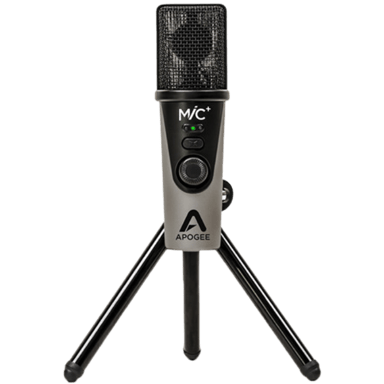

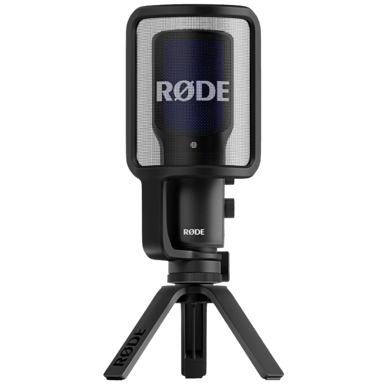
 Recaptor
 0
Cartling
0
Cartling